Heart Attack: Warning Signs & First Care
- Home 5
- Case Studies
- Heart Attack: Warning Signs & First Care
Heart Attack: Warning Signs & First Care
Emergency Care
Emergency Care Team
Open 24/7
Heart Attack & Chest Pain
About the Condition
A heart attack happens when blood flow to part of the heart muscle is blocked. It is a medical emergency, and getting treatment quickly makes a major difference to survival and recovery.
Heart attacks are increasingly seen in younger adults in India, especially in people with diabetes, high blood pressure, high cholesterol, smoking or a family history of heart disease. Symptoms are not always dramatic; in women, older adults and people with diabetes they may be mild or unusual. If you suspect a heart attack, do not drive yourself to hospital or wait to see if it passes. Call for help immediately, because every minute of delay can mean more heart muscle is damaged.
Common Symptoms
Call 080-27845285 or 108 straight away if you or someone near you has these symptoms, especially if they last more than a few minutes or keep coming back.
Emergency Response at Healyn
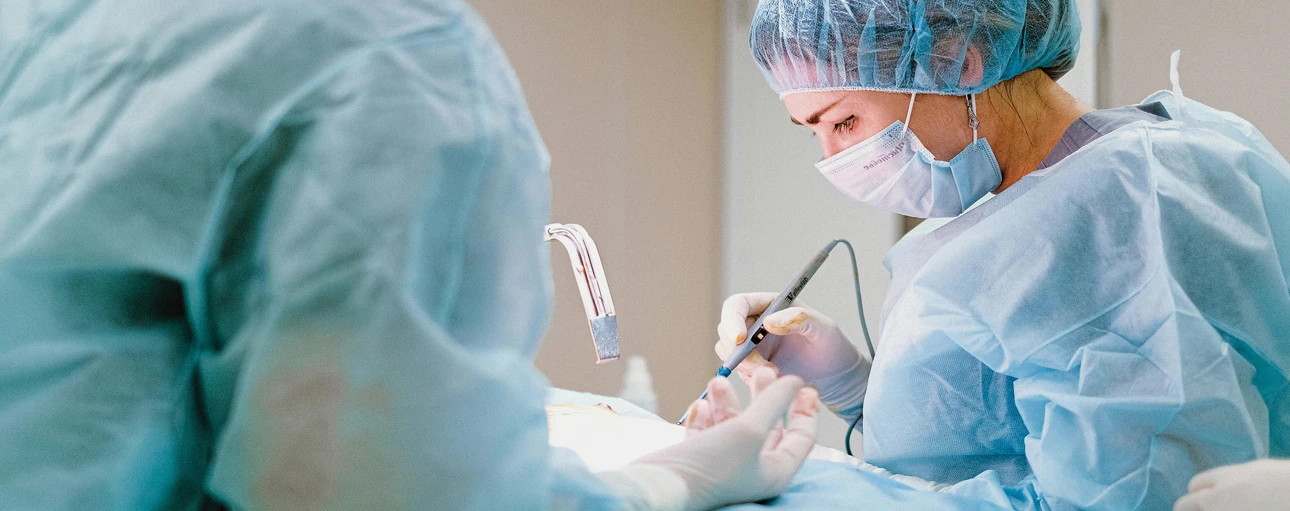
At Healyn’s 24/7 emergency, a patient with chest pain is seen immediately. Our team records an ECG within minutes, begins first treatment as per protocol and monitors the heart and blood pressure closely in our ICU. Once the patient is stable, we arrange urgent referral and transfer to a cardiac centre for angiography, angioplasty or other specialised heart care. Families are kept informed throughout.
Before Help Arrives
While waiting for help, sit the person down, keep them calm and loosen any tight clothing.
Emergency Care at Healyn
Our emergency response focuses on fast diagnosis, stabilisation and a safe, quick referral.
Recovery & Follow-up
Patients who get early treatment have a much better chance of survival and recovery. After specialised heart care, our general physician supports long-term follow-up: controlling BP, sugar and cholesterol, reviewing medicines and encouraging a heart-healthy lifestyle. Save 080-27845285 on your phone today. This guide is general information and does not replace emergency medical care.