Many men over 50 notice changes in how they pass urine: getting up several times at night, a weak stream or a feeling that the bladder is not fully empty. These are often signs of benign prostatic hyperplasia (BPH), a non-cancerous enlargement of the prostate gland.
BPH is very common and treatable, but many men delay seeing a doctor out of embarrassment. Early assessment helps rule out infection, stones and other conditions, and the right treatment can greatly improve sleep, comfort and quality of life.
What Is an Enlarged Prostate?
The prostate is a small gland below the bladder that surrounds the urine tube. With age, it slowly grows larger and can press on the tube, making it harder for urine to flow. The size of the prostate does not always match how severe the symptoms are.
1. Common symptoms of BPH
Frequent urination, waking at night, a weak or interrupted stream, straining and dribbling at the end.
2. How BPH is diagnosed
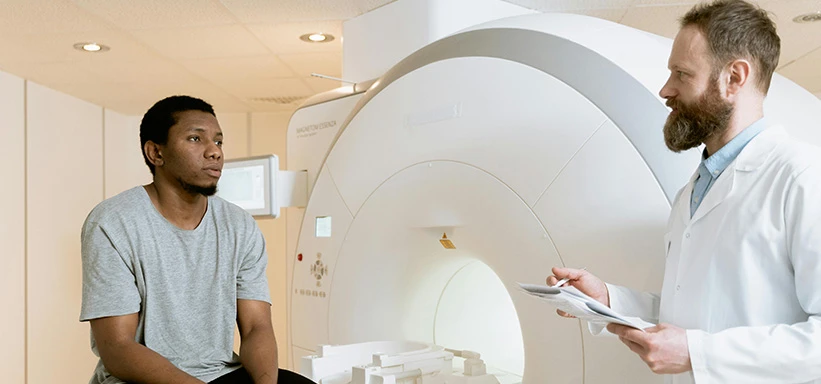
Our urologist will ask about your symptoms and may advise a urine test, blood tests including PSA, an ultrasound of the kidneys, bladder and prostate, and a check of how much urine remains after you pass urine.
Suddenly being unable to pass urine is an emergency. Come to the hospital straight away rather than waiting, as the bladder may need to be drained.
Healyn Hospitals, Urology
Mild symptoms can often be managed with lifestyle changes and regular review. Medicines can relax the prostate or slowly reduce its size. When medicines are not enough, or complications such as repeated infections, stones or kidney problems develop, a procedure or surgery may be recommended.
Simple Habits That Help
Along with medical treatment, these everyday steps can ease urinary symptoms:
- Reduce fluids two hours before bedtime
- Limit tea, coffee and alcohol, especially in the evening
- Do not hold urine for long periods
- Stay active and keep your weight under control
Frequently Asked Questions
Is BPH the same as prostate cancer?
No. BPH is a non-cancerous enlargement. However, some symptoms overlap, so your doctor may suggest tests to rule out cancer.
Will I need surgery for BPH?
Most men are treated with lifestyle changes and medicines. Surgery is considered only when these do not help or complications develop.
At what age should men get their prostate checked?
Men over 50, or over 45 with a family history, should discuss prostate health with their doctor.
About the Specialist
Dr. Shivanand – Urologist, Healyn Hospitals. OPD: 6:00 PM.
To consult our Urology team, call +91 63666 14481 or book an appointment online. For emergencies, call 080-27845285 (24/7).