Osteoporosis is often called a silent disease because bones become thin and weak without causing pain, until a simple fall leads to a fracture of the wrist, hip or spine. It is common in women after menopause, but men and younger adults can be affected too.
In India, low vitamin D, limited calcium intake and less outdoor activity add to the risk. The good news is that bone loss can be detected and slowed. This guide explains who is at risk, how osteoporosis is diagnosed and the everyday habits that keep bones strong.
What Is Osteoporosis?
Bones are living tissue that are constantly broken down and rebuilt. After the age of about 30, we slowly lose more bone than we make. When this loss is faster than normal, bones become porous and fragile, a condition called osteoporosis.
1. Who is most at risk?
Women after menopause, adults over 60, smokers, people with low body weight and those on long-term steroid medicines.
2. Signs you should not ignore
There are usually no early symptoms. Warning signs include a fracture after a minor fall, gradual loss of height, a stooped back or sudden back pain that may point to a small fracture in the spine.
Most fractures caused by osteoporosis happen after an ordinary fall at home. Preventing falls, with good lighting, non-slip mats and regular exercise, is as important as strengthening bones.
Healyn Hospitals, Orthopaedics
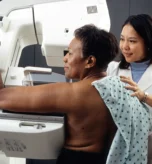
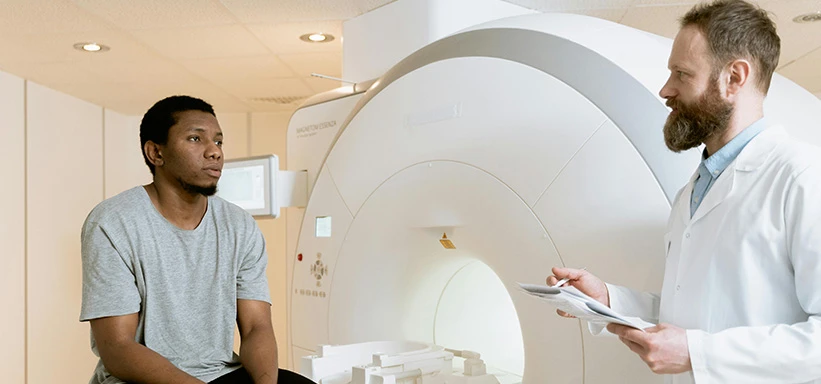
Diagnosis is made with a bone mineral density (DEXA) scan, along with blood tests for vitamin D and calcium. Treatment may include calcium and vitamin D supplements, medicines that slow bone loss and a tailored exercise plan. Our orthopaedic and physiotherapy teams work together to reduce fracture risk.
Simple Steps to Protect Your Bones
Small daily habits make a big difference to bone strength at any age:
- Include milk, curd, ragi, sesame and green leafy vegetables in your diet
- Get 15 to 20 minutes of morning sunlight for vitamin D
- Do weight-bearing exercise such as brisk walking and climbing stairs
- Avoid smoking and limit alcohol
Frequently Asked Questions
At what age should I get a bone density test?
Women over 65 and men over 70 are usually advised to test, or earlier if you have risk factors such as early menopause or long-term steroid use.
Can osteoporosis be reversed?
Bone loss can often be slowed and bone density improved with treatment, exercise and good nutrition.
Is calcium alone enough?
Calcium works best with vitamin D, exercise and, when needed, medicines prescribed by your doctor.
About the Specialist
Dr. Manjunath B. V – Orthopaedic Specialist, Healyn Hospitals. OPD: please call to confirm timings.
To consult our Orthopaedics team, call +91 63666 14481 or book an appointment online. For emergencies, call 080-27845285 (24/7).